


And Why Incorrect Setup Causes Problems
Preload is one of the most misunderstood aspects of coilover setup. It’s often blamed for harsh ride quality, knocking noises, or suspension issues — yet in many cases, preload itself isn’t the problem.
This guide explains what preload actually is, what it does, what it doesn’t do, and why incorrect preload adjustment can cause more harm than good on street-driven cars.
What Does Preload Mean on Coilovers?
Spring preload refers to the amount of compression applied to the spring before the suspension is loaded by the vehicle’s weight.
In simple terms:
-
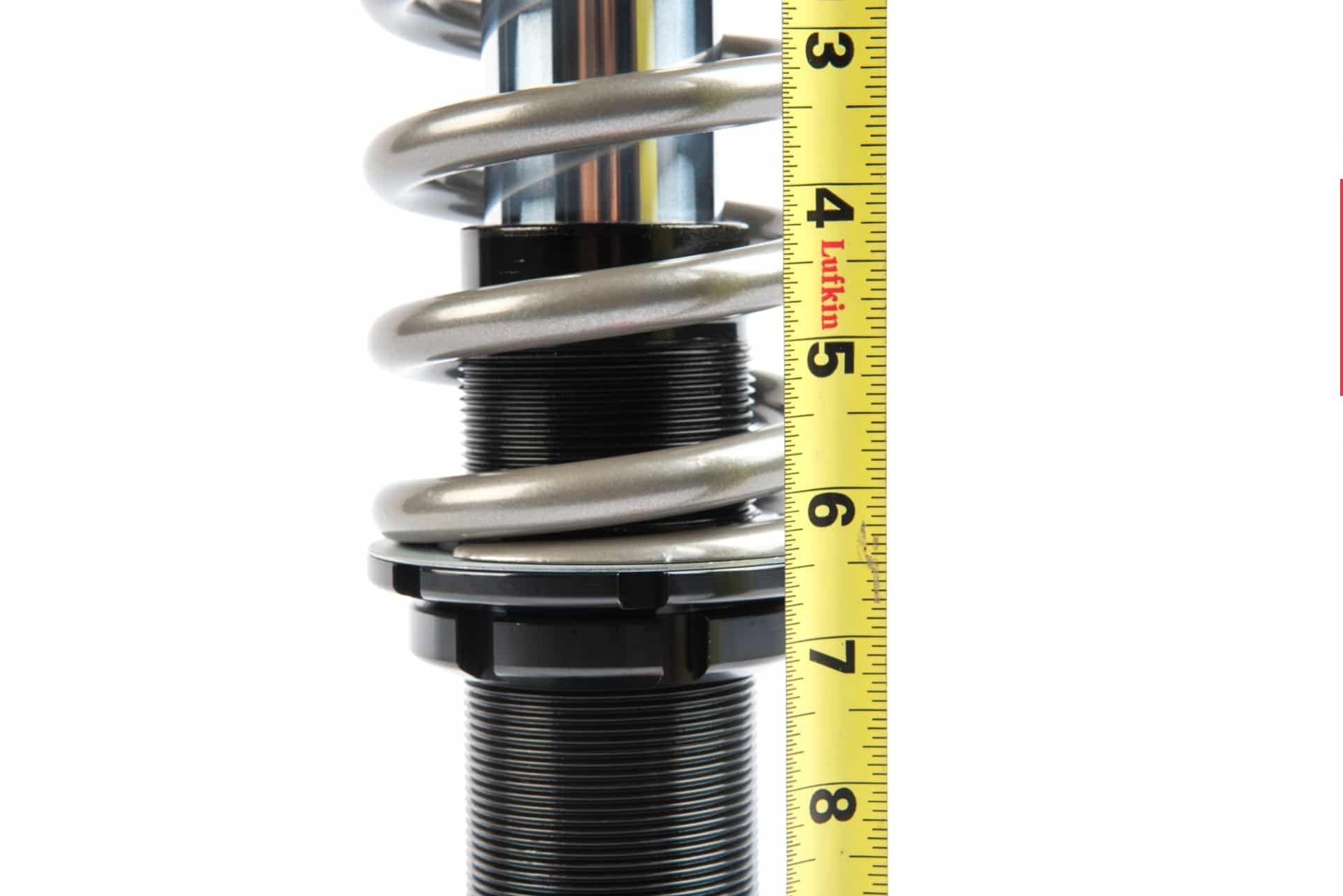
Preload is set by tightening the spring perch against the spring
-
It determines whether the spring is seated firmly at full suspension droop
-
It does not control ride height in the way many people think
What Preload Is Not
Preload does not:
-
Make the car lower
-
Automatically make the suspension stiffer
-
Improve handling on its own
-
Fix ride quality issues caused by poor damping
Ride height should be adjusted using the coilover’s height adjustment mechanism — not by compressing the spring.
Why Preload Is Often Adjusted Incorrectly
Many problems happen because:
-
Preload is used to lower the car instead of adjusting height
-
Springs are over-compressed to stop knocking
-
Advice online confuses preload with stiffness
This leads to:
-
Reduced suspension travel
-
Harsh ride
-
Topping-out noises
-
Premature damper wear
Correct Preload Setup (Street Use)
For most street coilovers:
-
The spring should be just seated with minimal preload
-
Enough preload to prevent the spring from moving at full droop
-
No excessive compression beyond this point
This allows the damper to work through its full range of travel as intended.
How Incorrect Preload Causes Issues
Harsh Ride
Over-preloading reduces usable travel, making bumps feel sharper.
Knocking or Clunking
Too little preload can allow the spring to unseat; too much can cause topping-out.
Poor Handling
The suspension can’t react properly if it’s already compressed at rest.
Should You Ever Increase Preload?
In some cases — such as motorsport or corner-weighting — preload may be adjusted deliberately.
For daily-driven UK cars, this is rarely necessary and often counterproductive.
If ride height changes are needed, adjust the coilover body or lower mount instead.
Preload vs Ride Height (Quick Summary)
-
Preload: Seats the spring, ensures correct operation
-
Ride height: Determines how low the car sits
-
They are not the same — and shouldn’t be used interchangeably
Final Thoughts
Preload isn’t something to constantly tweak. Once set correctly, it should generally be left alone. Most ride quality complaints blamed on preload are actually caused by poor damping, incorrect ride height adjustment, or unsuitable spring rates.
Understanding this single concept can prevent a huge number of coilover-related issues.
